


UVChef™ Titanium Kitchen Utensils Set
UVChef™ Titanium Kitchen Utensils Set
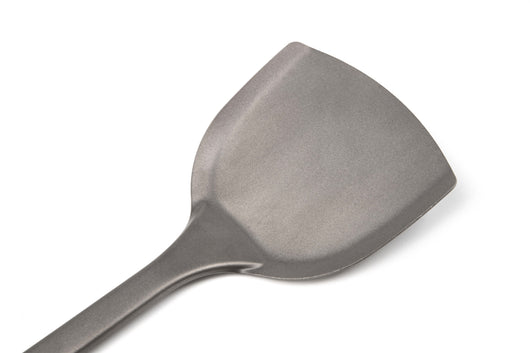
Upgrade your kitchen with lightweight, ultra-durable titanium utensils designed for everyday cooking. Unlike plastic tools that can melt or release chemicals, wooden utensils that absorb moisture and odors, or metal tools that scratch cookware, this set is built for cleaner, safer, and longer-lasting performance. Rust-resistant, easy to clean, and crafted for modern kitchens, these utensils combine professional durability with a sleek minimalist design.
Couldn't load pickup availability
Secure Checkout Guaranteed
 FREE Shipping
1 Year Warranty
If anything goes wrong with your TitanPro® board within the first 12 months, we'll replace it.
What Justifies the Price?
What Justifies the Price?
As of 2026, the UVChef™ Titanium Utensils Set is crafted from premium, food-safe titanium designed for long-term kitchen performance. Authentic titanium is a high-end material — products sold at unusually low prices are often made from coated metals or imitation alloys that don’t offer the same durability, hygiene, or safety.
Titanium is widely used in medical and professional-grade applications because of its strength, corrosion resistance, and non-reactive properties. It won’t rust, absorb odors, or release harmful substances into your food — even under high heat.
Why UVChef™ Titanium Utensils Stand Apart
Why UVChef™ Titanium Utensils Stand Apart
Titanium is naturally lightweight yet exceptionally durable, making these utensils comfortable for everyday cooking while remaining strong enough for long-term use. Unlike plastic or silicone tools, they won’t melt, crack, or degrade over time.
The smooth, non-porous surface helps resist buildup, odors, and staining, making cleanup fast and effortless. Unlike wooden utensils, titanium doesn’t absorb moisture or bacteria, and unlike cheap metal tools, it’s designed to be gentle on cookware while maintaining professional performance.
The UVChef™ Titanium Utensils Set combines durability, hygiene, heat resistance, and clean modern design in one premium kitchen essential.
For cooks who care about safer materials, easy maintenance, and tools built to last, titanium is an investment that pays off every single day.
How Does Titanium Stay Gentle on Cookware?
How Does Titanium Stay Gentle on Cookware?
Titanium is actually much softer than stainless steel and most hard cookware coatings. On the hardness scale, steel is significantly harder, which means titanium utensils are less likely to scratch or damage your pans during everyday cooking.
That’s why titanium tools can be safely used on stainless steel and even many non-stick surfaces. They offer the durability of metal utensils without the common downsides of plastic, silicone, or wood — no melting, cracking, odor absorption, or bacterial buildup.
The result is a cleaner, longer-lasting cooking experience that helps protect both your cookware and your food.
Shipping & Returns
Shipping & Returns
Next Day Dispatch:
Most orders are dispatched the next business day to ensure fast and reliable processing. Due to recent virality and high demand, dispatch may take 2–4 business days.
30-Day Money-Back Guarantee:
If you’re not completely satisfied with your purchase, return it within 30 days for a full refund.

Why Titanium Utensils?

Why Titanium Utensils?
Titanium utensils offer a cleaner, safer, and longer-lasting upgrade from traditional plastic, wood, or silicone kitchen tools.
- Naturally hygienic – Non-porous titanium doesn’t absorb odors, moisture, or bacteria over time.
- Cookware-safe – Strong enough for everyday cooking while remaining gentle on your pans and cookware surfaces.
- Built to last – Resistant to bending, rust, corrosion, and everyday wear, even with frequent use.
- Easy to clean – Smooth titanium surfaces rinse clean in seconds and are dishwasher safe.
- Modern premium design – Sleek, minimalist tools that maintain their appearance and performance for years.


How Titanium Compares to Common Utensil Materials

Silicone Utensils
While high-quality food-grade silicone can handle heat well, many silicone utensils sold online are made with lower-grade materials and fillers. Over time, repeated exposure to high temperatures may cause them to wear down, crack, discolor, or retain odors.
Some inexpensive silicone tools can also become soft or unstable during cooking, especially when used on hot pans for extended periods. Titanium offers a more durable, non-porous alternative designed for long-term performance without melting, absorbing odors, or degrading over time.

Plastic Utensils
Plastic utensils are highly sensitive to heat and can soften, warp, or degrade over time — especially during high-temperature cooking. As the material breaks down, it may release unwanted substances and microscopic particles into your food.
They also tend to stain, absorb odors, and wear out much faster with everyday use. Compared to titanium, plastic utensils are less durable, less hygienic, and not designed for long-term performance in a modern kitchen.
Wooden Utensils
Wooden utensils absorb moisture, oils, and food residue over time. Because wood is naturally porous, it can trap bacteria, odors, and buildup deep inside the surface — even after washing.
With repeated exposure to heat and moisture, wooden tools may crack, stain, or develop mold if not properly maintained. They also require frequent oiling and replacement to keep them in good condition.
Titanium offers a cleaner, non-porous alternative that won’t absorb odors, harbor bacteria, or wear down with everyday cooking.
The Science That Puts Us Ahead

Traditional Boards
None (non-reactive)
Common in plastic & silicone
Gentle, cookware-safe
Scratches or degrades surfaces
✓
Often not recommended
0% (non-porous)
Absorbs liquids & odors
Extremely high
Low to moderate
10+ years
6–12 months
Cook With Confidence, Every Day
Trusted by over 41,000 home cooks, chefs, and clean-kitchen enthusiasts.
-

Finally found kitchen tools that actually feel premium. They’re lightweight, easy to clean, and don’t leave weird smells or stains like my old silicone spatulas. I use them almost every day now.
Jessica M.
Verified Buyer -

I was skeptical at first, but the quality is insane. Nothing bends, nothing melts, and they still look brand new after weeks of cooking on high heat.
Daniel R.
Verified Buyer -

These utensils completely replaced my plastic and wooden tools. They clean in seconds, feel super hygienic, and honestly make my kitchen look more modern too.
Emily T.
Verified Buyer -

Best kitchen upgrade I’ve made this year. Strong, minimal, dishwasher safe, and surprisingly gentle on my cookware. I already ordered another set for my mom.
Lauren K.
Verified Buyer


Built for Modern Kitchens. Backed by Titanium.
Trusted by over 41,000 home cooks, chefs, and clean-kitchen enthusiasts.
-
 Cookware-Safe Strength
Titanium is engineered to stay strong while remaining gentle on your cookware. Unlike steel utensils, it glides across surfaces without aggressive scraping, helping your pans stay smoother and last longer.
-
 Hygienic, Non-Porous Surface
Unlike wood or plastic, titanium does not absorb odors, stains, moisture, or bacteria. The smooth non-porous surface stays cleaner, fresher, and easier to maintain after every meal.
-
 Built to Last for Years
Designed for everyday cooking, titanium resists bending, cracking, rust, and surface wear. These utensils are made to handle high heat and heavy use while maintaining their premium look over time.


FAQs
Is It Safe for Non-Stick Surfaces and Other Cookware?
Is It Safe for Non-Stick Surfaces and Other Cookware?
Yes. Titanium utensils are safe to use with non-stick, stainless steel, ceramic, and cast iron cookware. Titanium is significantly softer than steel, which helps prevent scratching or damaging your cookware surfaces while still remaining strong and durable for everyday cooking.
What Makes Titanium Different From Other Utensil Materials?
What Makes Titanium Different From Other Utensil Materials?
Titanium utensils are crafted from high-grade titanium known for its durability, hygienic properties, and long-term performance in the kitchen. Unlike wood or plastic, titanium does not absorb odors, trap bacteria, or break down over time. It’s also significantly gentler on cookware than steel, helping protect non-stick surfaces while still remaining strong and reliable for everyday cooking.
Silicone:
While premium food-grade silicone can handle heat, many lower-quality silicone utensils found online may contain fillers or blended materials that degrade over time. Repeated exposure to high temperatures can cause warping, odor retention, and material breakdown.
Wood:
Wooden utensils naturally absorb moisture, oils, and food residue. Over time, this porous structure can trap bacteria, develop odors, and even encourage mold growth if not fully dried and maintained.
Plastic:
Plastic utensils are highly vulnerable to heat. They can soften, warp, melt, or release unwanted substances during cooking, especially at higher temperatures. Many also stain easily and wear down quickly with daily use.
Steel:
Steel utensils are extremely hard and can scratch or damage non-stick cookware surfaces over time. They are also heavier and less forgiving on delicate pans compared to titanium.
How Do I Clean and Care for My Titanium Utensils?
How Do I Clean and Care for My Titanium Utensils?
Cleaning titanium utensils is simple. You can rinse them under warm water or place them directly in the dishwasher for quick cleanup. Titanium naturally resists corrosion, stains, odors, and buildup, helping your utensils stay clean, hygienic, and looking premium with minimal effort.
Can I Leave Titanium Utensils In The Pan While Cooking?
Can I Leave Titanium Utensils In The Pan While Cooking?
Yes. Titanium utensils are designed to handle high cooking temperatures without melting, warping, cracking, or releasing unwanted substances into your food. Unlike plastic, silicone, or wooden utensils, they remain stable under heat, making them safe and reliable to leave in the pan or pot while cooking.
Why Should I Choose Titanium Utensils Over Steel Ones?
Why Should I Choose Titanium Utensils Over Steel Ones?
Choosing titanium utensils over steel offers several important advantages for everyday cooking.
Titanium is naturally hygienic, non-porous, and resistant to odors, stains, and buildup, making it a cleaner option for food preparation over time.
It’s also lighter and more comfortable to use while still being extremely durable and resistant to wear, corrosion, and heat.
Most importantly, titanium is significantly gentler on cookware than steel. Steel utensils can scratch or damage non-stick coatings and delicate surfaces over time, while titanium helps preserve your cookware by reducing aggressive scraping and surface wear.
For anyone who values cleaner cooking, long-term durability, and cookware-safe performance, titanium utensils are a smarter modern alternative.
Is It Dishwasher Safe?
Is It Dishwasher Safe?
Yes. Titanium utensils are fully dishwasher safe and designed for everyday convenience. They resist corrosion, staining, and wear from regular washing, making cleanup quick and effortless after cooking.
Can Titanium Utensils Cause Any Allergic Reactions?
Can Titanium Utensils Cause Any Allergic Reactions?
Titanium is naturally hypoallergenic and biocompatible, making it a safe choice for people with metal sensitivities or allergies. It’s widely used in medical and surgical applications because of its stability and non-reactive properties.